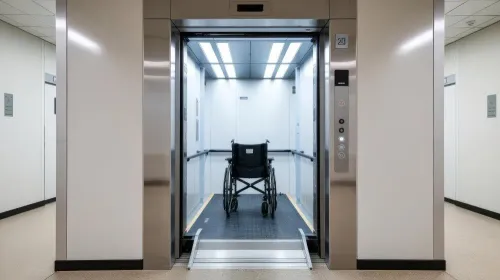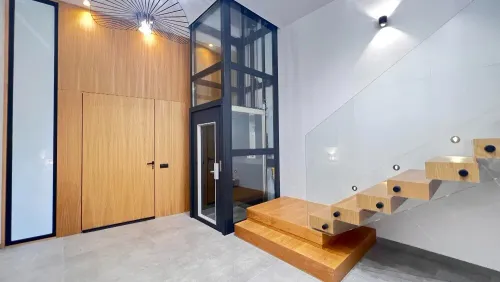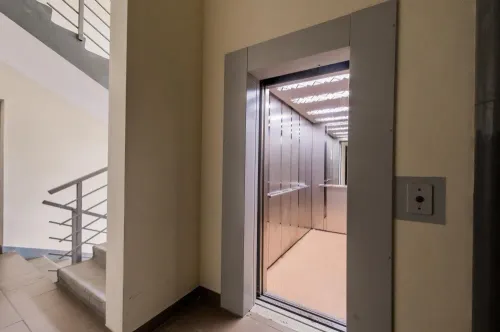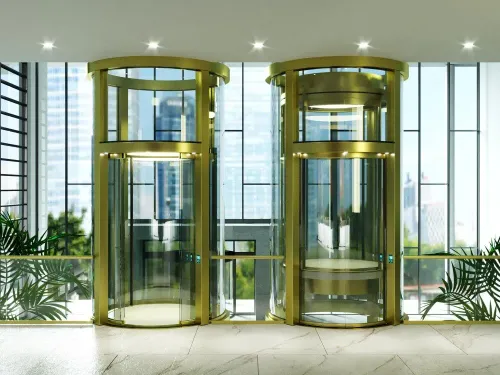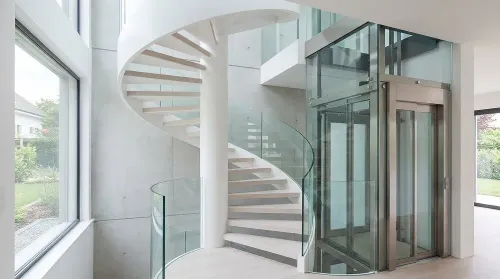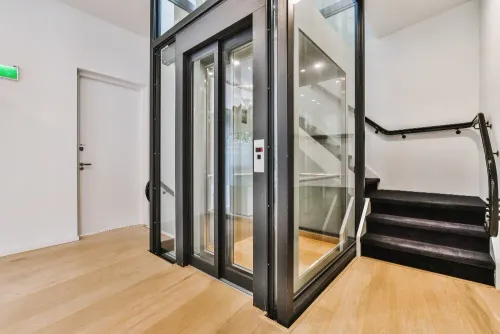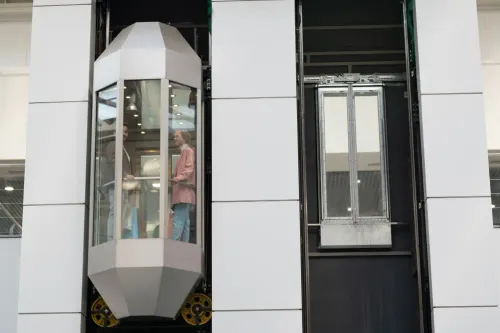
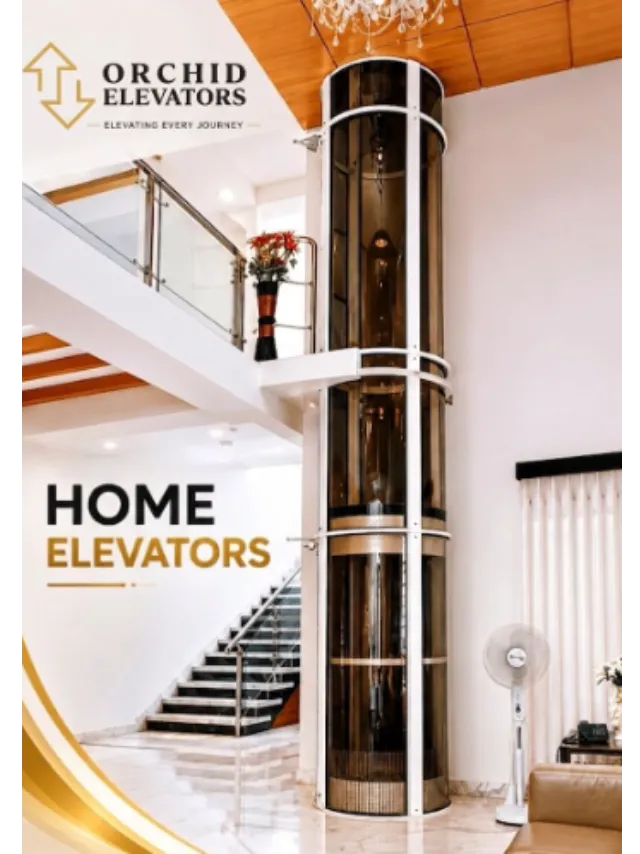
Creating spaces that are accessible to everyone is no longer just a legal or regulatory requirement it is an essential part of thoughtful building design. Whether it is a private residence, hospital, office, educational institution, or commercial complex, Wheelchair Accessible Elevators help ensure that people with mobility challenges can move safely and independently between floors.
As Bengaluru continues to develop modern residential communities and commercial infrastructure, accessibility has become a key consideration for architects, builders, homeowners, and facility managers. Choosing the right wheelchair-accessible elevator requires careful planning to ensure it meets both current and future mobility needs.
Why Accessibility Should Be Considered Early
Many building owners only think about accessibility after construction is complete. However, integrating accessible elevator solutions during the design stage is more practical and cost-effective.
Planning early allows architects to allocate sufficient space, optimise traffic flow, and ensure compliance with accessibility guidelines without major structural modifications later.
Whether the project is a newly constructed villa or a multi-storey commercial building, early planning results in a more functional and inclusive environment.
Features That Make an Elevator Wheelchair Accessible
Not every elevator automatically meets accessibility requirements. Certain design features improve usability and safety for wheelchair users and individuals with limited mobility.
Important features include:
- Wide cabin dimensions
- Automatic sliding doors
- Low-height operating panels
- Braille buttons
- Voice announcements
- Non-slip flooring
- Handrails
- Smooth floor leveling
- Emergency communication systems
- Adequate door opening time
These features help passengers enter, operate, and exit the elevator comfortably and independently.
Residential Benefits
Wheelchair-accessible elevators are becoming increasingly popular in independent homes, villas, and duplex residences.
Homeowners choose accessible elevators for several reasons:
Supporting Independent Living
Family members with mobility challenges can move freely throughout the home without relying on assistance.
Preparing for the Future
Many homeowners install accessible elevators before they become necessary, ensuring the home remains practical as family needs evolve.
Improving Everyday Convenience
Accessible elevators are also useful for transporting luggage, groceries, strollers, and household items between floors.
Enhancing Property Value
Homes designed with accessibility in mind often appeal to a wider range of future buyers.
Commercial Applications
Accessibility is equally important in commercial buildings where elevators serve large numbers of visitors every day.
Wheelchair-accessible elevators are commonly installed in:
- Hospitals
- Office buildings
- Hotels
- Shopping centres
- Educational institutions
- Government buildings
- Residential apartment complexes
Providing barrier-free access improves visitor experience while creating a more inclusive environment for employees, customers, patients, and residents.
Safety Features That Should Never Be Overlooked
Passenger safety is particularly important for users with limited mobility.
Modern accessible elevators should include:
- Automatic rescue operation
- Door obstruction sensors
- Backup power systems
- Emergency alarm buttons
- Reliable communication devices
- Accurate floor leveling
- Soft acceleration and braking
- Automatic door reopening sensors
These features minimise risk while making every journey safer and more comfortable.
Choosing the Right Cabin Size
Cabin dimensions should be selected based on expected usage rather than minimum requirements.
Factors to consider include:
- Wheelchair turning space
- Passenger capacity
- Caregiver assistance
- Medical equipment transport
- Future accessibility needs
Selecting an appropriately sized cabin improves usability and reduces congestion, especially in healthcare and commercial environments.
The Importance of Professional Installation
Even the most advanced elevator cannot deliver reliable accessibility if installation is poorly executed.
Professional installation ensures:
- Correct cabin alignment
- Accurate floor leveling
- Safe door operation
- Reliable control systems
- Proper emergency function testing
- Compliance with applicable safety standards
Routine maintenance is equally important to ensure accessibility features continue functioning correctly throughout the elevator's service life.
Questions to Ask Before Selecting an Accessible Elevator
Before making a decision, property owners should ask:
- Does the cabin comfortably accommodate wheelchairs?
- Are controls positioned for easy access?
- What accessibility standards does the elevator follow?
- What safety features are included?
- Can the elevator be customised for specific mobility needs?
- What maintenance support is available?
- Are emergency systems regularly tested?
Clear answers to these questions help ensure the selected elevator meets practical accessibility requirements.
Working with an Experienced Manufacturer
Accessibility requirements vary depending on the type of building and its intended users. Working with an experienced elevator manufacturer ensures that every aspect of the design is carefully considered, from cabin dimensions to safety features and long-term maintenance.
Orchid Elevators provides customised accessibility solutions for residential, healthcare, institutional, and commercial projects across Bengaluru. By collaborating with architects, builders, and property owners, the company develops elevator systems that prioritise both user comfort and regulatory compliance while integrating seamlessly into modern building designs.
Building Inclusive Spaces for the Future
Wheelchair-accessible elevators represent more than a transportation solution they reflect a commitment to creating buildings that are welcoming, practical, and inclusive for everyone. Thoughtful planning, quality engineering, and reliable maintenance ensure these elevators continue serving users safely for many years.
As Bengaluru and Karnataka continue investing in accessible infrastructure, incorporating wheelchair-friendly elevator systems has become an important part of responsible building design. Choosing the right solution today helps create spaces that remain functional, comfortable, and accessible well into the future.
Keywords