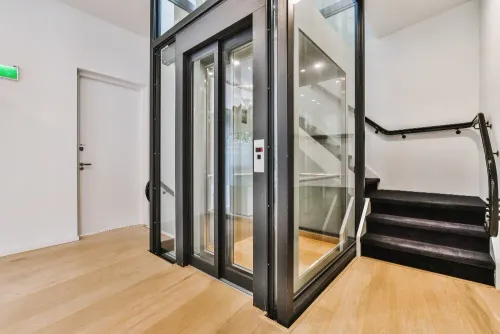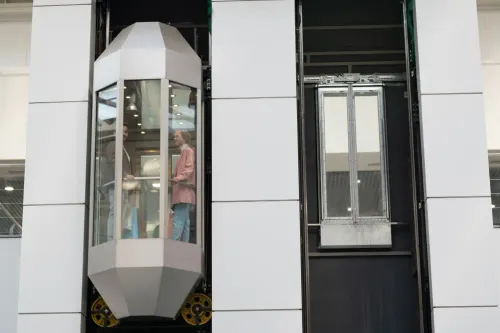
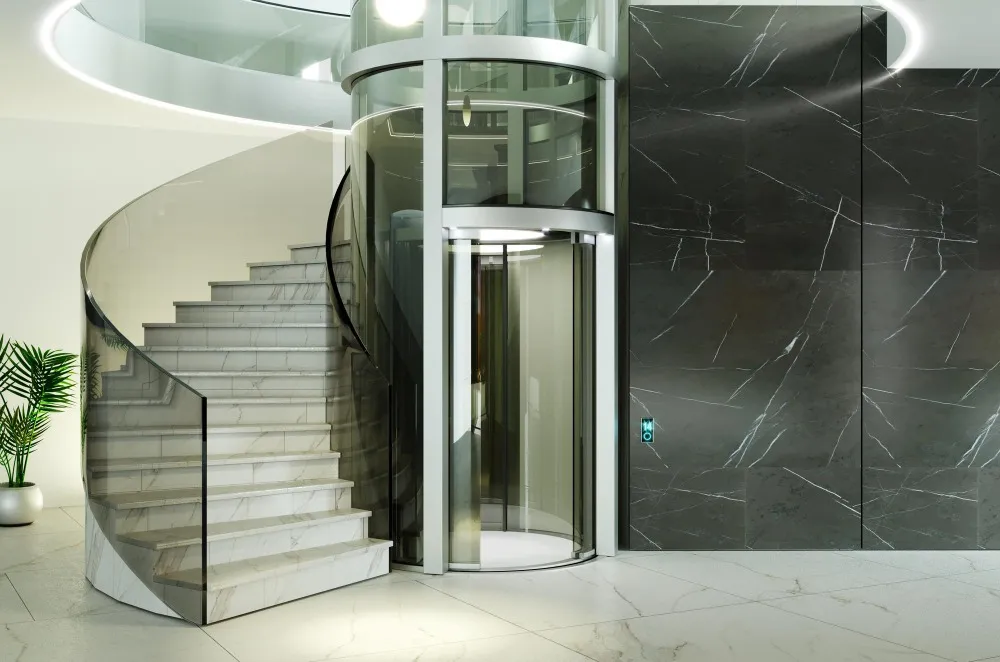
Installing a home lift is a major decision that requires careful planning and professional execution. While selecting the right lift model is important, the quality of Residential Lift Installation Services often determines how efficiently and safely the system performs over its lifetime. Proper installation ensures that every component functions correctly, minimizes future maintenance issues, and provides a smooth experience for homeowners.
As premium villas, duplex homes, and independent houses continue to grow across Bengaluru, more families are considering residential lifts to improve accessibility, convenience, and long-term property value. Understanding the installation process helps homeowners prepare for the project and avoid unnecessary surprises.
Why Professional Installation Matters
A residential lift is a sophisticated mechanical and electrical system that must integrate seamlessly with the building's structure. Even a high-quality elevator can experience recurring issues if it is not installed correctly.
Professional installation ensures:
- Accurate structural alignment
- Safe electrical connections
- Proper guide rail positioning
- Reliable door operation
- Smooth ride quality
- Compliance with safety standards
An experienced installation team also identifies potential construction challenges before they become expensive problems.
The Installation Process Explained
Many homeowners assume that installing a residential lift is disruptive and time-consuming. In reality, the process follows a structured sequence that helps ensure safety and efficiency.
Initial Site Assessment
The first step is a detailed inspection of the property. Engineers evaluate the available space, floor levels, structural design, electrical requirements, and accessibility needs.
During this stage, they also determine whether any civil modifications are required before installation begins.
Design and Planning
After the site inspection, technical drawings are prepared based on the home's layout.
This planning phase covers:
- Lift dimensions
- Shaft design
- Door placement
- Cabin configuration
- Machine location, if applicable
- Power requirements
- Safety clearances
Careful planning helps prevent delays during construction.
Civil and Structural Preparation
Before equipment arrives, the installation area must be prepared according to approved specifications.
Depending on the project, this may involve:
- Constructing the lift shaft
- Preparing the pit
- Installing support structures
- Completing electrical provisions
- Ensuring adequate ventilation
Close coordination between the lift provider and the construction team is essential during this stage.
Equipment Installation
Once the site is ready, technicians install the major elevator components, including guide rails, cabin, doors, drive systems, wiring, and control panels.
Each component is carefully aligned to ensure smooth and reliable operation.
Testing and Commissioning
Before the lift is handed over, comprehensive testing is performed.
Engineers verify:
- Door performance
- Travel accuracy
- Safety systems
- Emergency functions
- Ride quality
- Load handling
- Backup systems
Only after these tests are completed should the elevator be approved for regular use.
Common Mistakes Homeowners Should Avoid
Residential lift installation is a long-term investment, and avoiding common mistakes can improve both performance and durability.
Some frequent errors include:
- Choosing a lift before finalizing building plans
- Ignoring future accessibility needs
- Selecting based only on price
- Overlooking maintenance requirements
- Failing to verify safety certifications
- Hiring inexperienced installers
Planning early with qualified professionals helps reduce these risks significantly.
Features That Improve Everyday Comfort
Modern residential lifts are designed with technologies that make daily use more comfortable and convenient.
Popular features include:
- Automatic doors
- Soft start and stop operation
- Quiet motors
- Energy-efficient drives
- Battery backup
- Emergency alarm systems
- Automatic rescue devices
- Touch-sensitive controls
These features improve user experience while increasing overall safety.
Maintenance Begins After Installation
Many homeowners focus only on installation, but regular maintenance is equally important.
Preventive servicing helps:
- Detect wear before failures occur
- Maintain ride quality
- Improve equipment lifespan
- Ensure safety compliance
- Reduce unexpected repair costs
Scheduling routine inspections allows technicians to identify minor issues before they develop into major repairs.
Choosing the Right Installation Partner
Selecting the right installation company is just as important as choosing the elevator itself.
Look for providers that offer:
- Detailed site surveys
- Experienced installation teams
- Certified safety practices
- Transparent project timelines
- Comprehensive testing procedures
- Preventive maintenance support
- Reliable after-sales service
An experienced installation partner will coordinate effectively with architects, builders, electricians, and structural engineers to ensure every stage progresses smoothly.
Orchid Elevators has supported residential projects across Bengaluru by providing professionally planned lift installation services tailored to individual home designs. Their approach focuses on combining engineering precision with practical installation expertise to deliver reliable long-term performance.
Investing in a Safer and More Comfortable Home
A residential lift adds much more than convenience. It improves accessibility, enhances daily living, and prepares a home for changing family needs in the future. However, these benefits depend greatly on the quality of installation.
For homeowners across Bengaluru and Karnataka, understanding the installation process makes it easier to plan construction timelines, evaluate service providers, and make informed decisions. By choosing professional residential lift installation services and maintaining the system regularly, families can enjoy safe, efficient, and dependable vertical mobility for many years while adding lasting value to their property.
Keywords