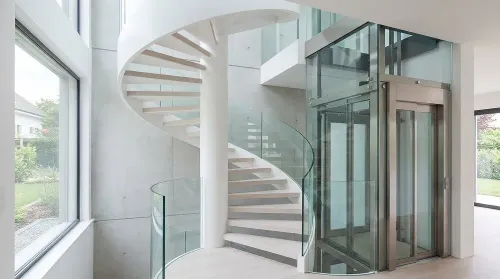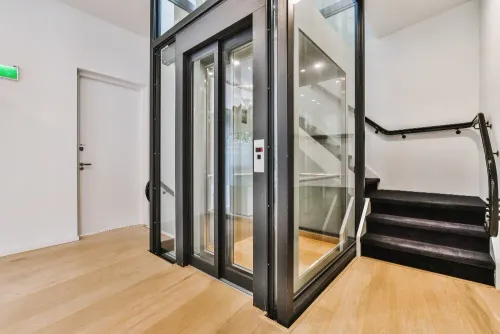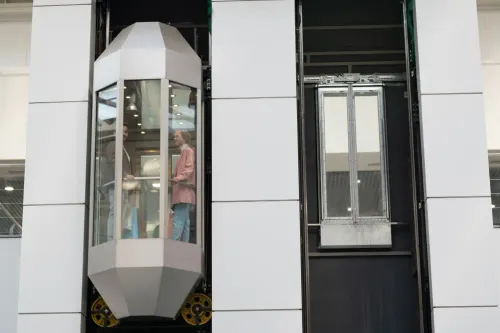
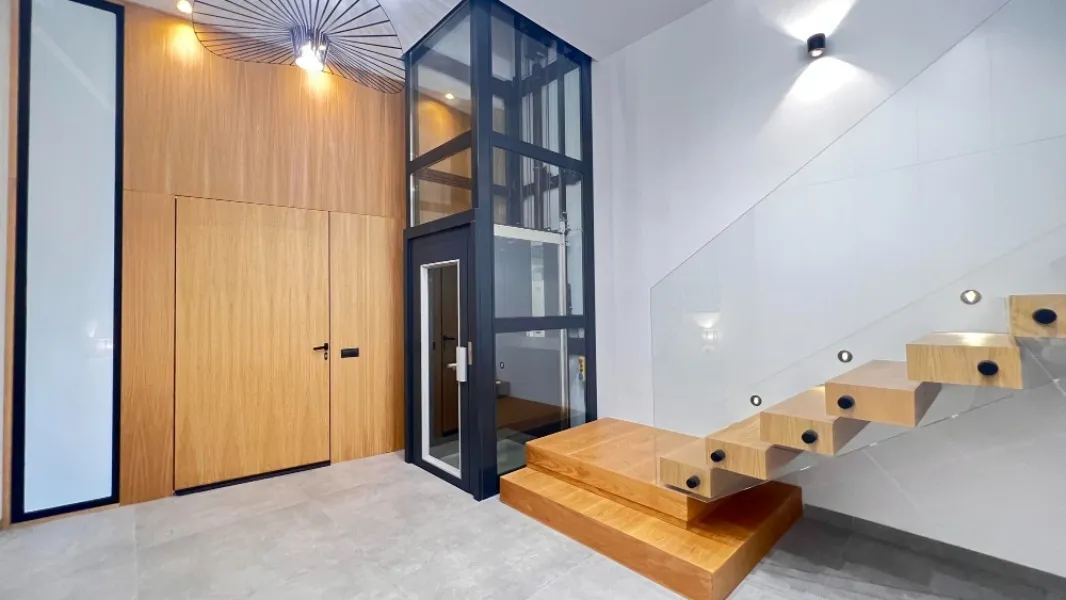
A villa elevator needs to do more than move passengers between floors. In a thoughtfully designed residence, it becomes part of the architecture, circulation plan, and everyday living experience. That is why selecting a Villa Elevator Manufacturer in Bangalore should begin during the planning stage whenever possible.
Bengaluru has a growing mix of independent villas, gated communities, premium residences, and multi-level homes. These properties can have very different elevator requirements depending on floor count, architectural style, family needs, and available space.
Why Early Elevator Planning Matters
When a villa is still at the design or construction stage, the architect, structural consultant, builder, and elevator manufacturer can coordinate requirements before major work is completed.
Early coordination helps address:
- Shaft dimensions
- Floor-to-floor heights
- Landing positions
- Door orientation
- Electrical provisions
- Structural requirements
- Interior finishes around entrances
- Service accessibility
Changing these elements after construction can be more complicated.
For architects and villa owners, including elevator requirements in the initial plans can therefore make the installation process more predictable.
Choose the Location Based on Daily Movement
The elevator should be positioned where residents can access it conveniently without disrupting the natural circulation of the house.
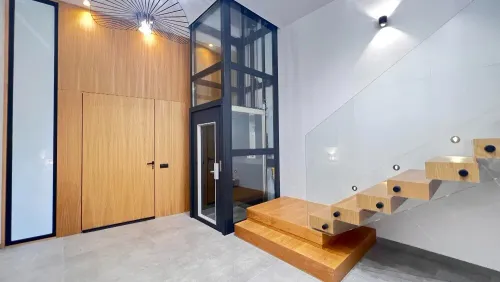
A centrally located elevator may work well for some villas. Others may benefit from positioning it near the staircase, entrance lobby, family living areas, or another suitable circulation point.
Privacy should also be considered.
For example, if the elevator connects a basement parking area directly with upper residential floors, designers may need to think carefully about how passengers arrive into private spaces.
Cabin Size Should Reflect the Household
Villa owners sometimes focus first on premium finishes, but cabin dimensions and accessibility deserve earlier attention.
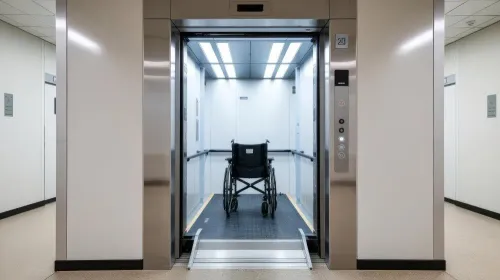
Consider who will regularly use the elevator and whether the household expects to accommodate elderly residents or wheelchair users.
It is also useful to think about everyday objects that may need to travel between floors, including luggage, shopping bags, and household equipment.
The right cabin is not necessarily the largest possible cabin. It is one that uses available space efficiently while supporting the intended users.
Design Can Be Personal Without Becoming Impractical
Elevator interiors can complement the villa's overall design language.
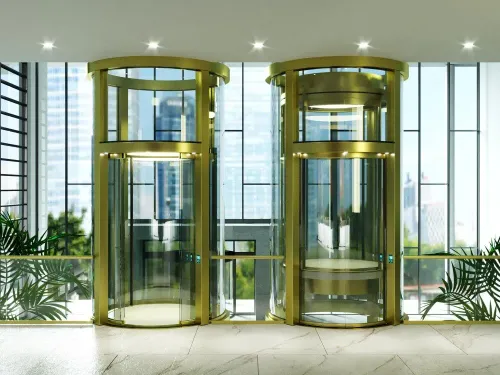
Depending on the selected system and specifications, homeowners may explore finishes involving metal, glass, decorative panels, lighting, flooring, mirrors, and coordinated control fixtures.
However, highly customized materials should also be evaluated for durability and maintenance.
An elevator is used repeatedly every day. Surfaces that look impressive but are difficult to maintain may become less practical over time.
Noise and Ride Experience Matter in Residential Settings
Unlike commercial buildings, villas are quiet environments. Equipment located close to bedrooms, lounges, or study areas needs thoughtful planning.
The elevator manufacturer should be able to discuss the selected system's operational characteristics and recommend an appropriate configuration for the building.
Shaft construction and surrounding architectural conditions can also influence the overall installation.
Safety Features Need Clear Explanations
Homeowners should understand how the elevator manages door movement, emergencies, power interruptions, and communication requirements.
Rather than relying on broad claims, request a clear explanation of the features included in the proposed system.
This allows homeowners and consultants to compare proposals on equivalent criteria.
Orchid Elevators works with villa elevator requirements in Bengaluru, Karnataka, where projects often require coordination between engineering needs and residential design priorities.
Include Maintenance in the Design Conversation
A villa elevator remains part of the property long after construction is finished. Maintenance access and service planning should therefore be considered from the beginning.
Ask how inspections are performed, which components require periodic attention, and what access technicians will need.
Good architectural integration should not make essential servicing difficult.
A villa elevator works best when engineering, accessibility, aesthetics, and long-term operation are considered together. Planning these factors early gives homeowners and design professionals greater flexibility and reduces the likelihood of compromises after the villa is substantially complete.
Keywords