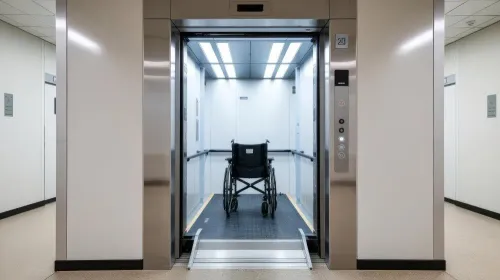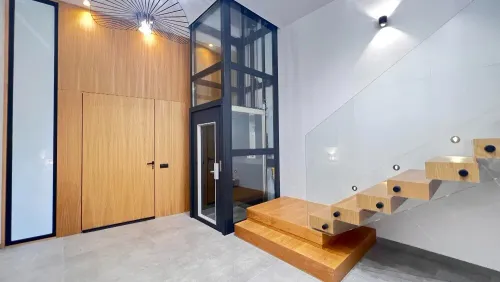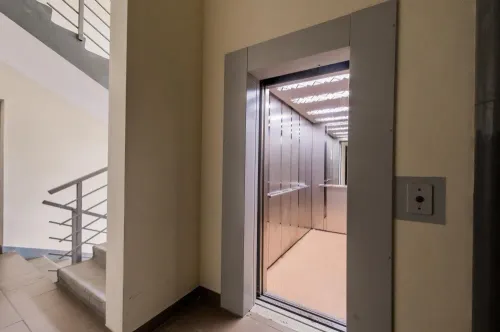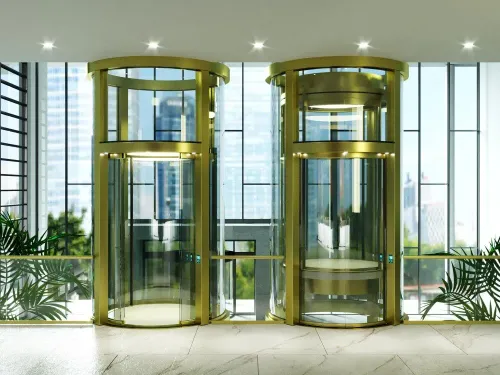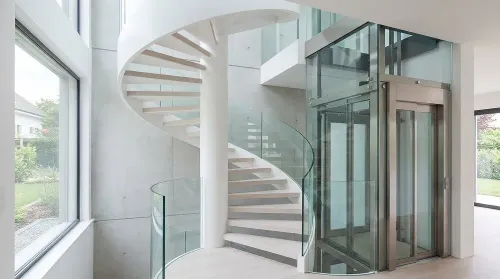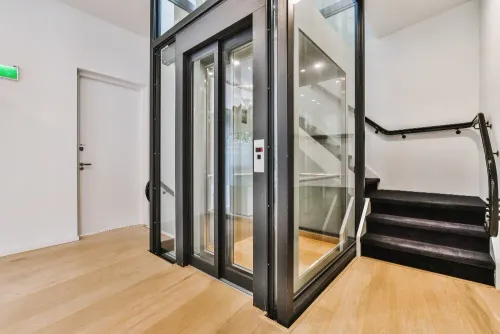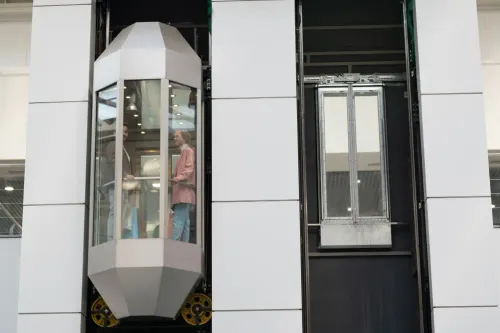
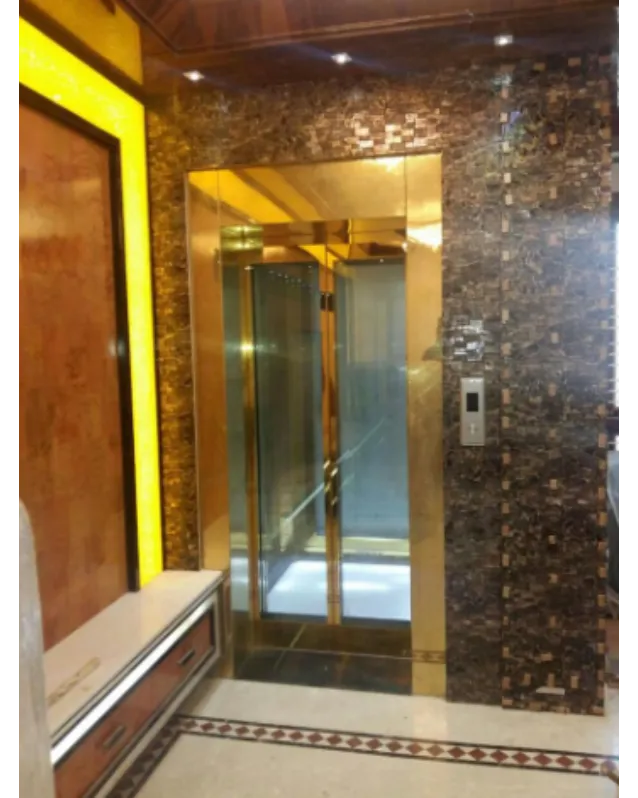
As buildings become smarter and more space-efficient, elevator technology is evolving to meet changing construction needs. One innovation that has gained significant attention is the Machine Room Less, or MRL, elevator. For architects, builders, and property owners exploring options from a Machine Room Less MRL Elevator Manufacturer, understanding how these systems work can help in selecting the right solution for residential and commercial projects.
Across Bengaluru, where space optimization is becoming increasingly important in both residential and commercial developments, MRL elevators are helping developers maximize usable floor area while maintaining high standards of safety, performance, and aesthetics.
What Is a Machine Room Less Elevator?
A Machine Room Less elevator is designed without the separate machine room that conventional elevators typically require. Instead, the drive equipment is installed within the elevator shaft, allowing the building to save valuable space.
This design makes MRL elevators particularly suitable for projects where construction efficiency and architectural flexibility are priorities. Whether it is a premium villa, apartment building, office complex, hospital, or retail space, the absence of a dedicated machine room creates more possibilities during planning and design.
The technology has matured considerably over the years, making it a dependable option for a wide variety of building applications.
Why Space Savings Matter
Every square foot counts during construction. Eliminating the need for a machine room allows architects and developers to use that space for functional or revenue-generating purposes.
Some practical advantages include:
- More usable building area
- Greater architectural flexibility
- Cleaner rooftop design
- Reduced structural complexity
- Better utilization of compact plots
These benefits are especially valuable in Bengaluru, where urban developments often face space constraints and efficient planning is essential.
How MRL Elevators Operate
Although the design differs from traditional systems, the operating principle remains familiar. Most MRL elevators use advanced traction technology with compact gearless motors that are installed inside the lift shaft.
The elevator moves smoothly using steel ropes or belts driven by the motor, while intelligent control systems monitor speed, positioning, and safety throughout every journey.
Modern MRL systems are designed to deliver:
- Quiet operation
- Smooth acceleration and braking
- Precise floor leveling
- Reliable performance
- Lower energy consumption
These characteristics make them suitable for buildings where comfort and user experience are important.
Ideal Applications for MRL Elevators
One reason for the growing popularity of Machine Room Less elevators is their versatility.
They are commonly installed in:
- Independent villas
- Luxury residences
- Apartment complexes
- Commercial office buildings
- Hotels
- Educational institutions
- Healthcare facilities
- Shopping centres
- Mixed-use developments
Their ability to fit into different architectural layouts makes them attractive for both new construction and redevelopment projects across Karnataka.
Energy Efficiency and Sustainability
Sustainability has become an important consideration in modern construction. MRL elevators contribute to greener buildings by incorporating technologies that reduce overall power consumption.
Many systems include:
- Gearless permanent magnet motors
- LED cabin lighting
- Standby power-saving modes
- Efficient drive systems
- Intelligent operating controls
These features help reduce operational costs while supporting environmentally responsible building practices.
For developers pursuing sustainable building certifications, selecting energy-efficient elevator technology can contribute to broader environmental goals.
Maintenance Considerations
One common question property owners ask is whether MRL elevators require more maintenance because there is no machine room.
In reality, maintenance requirements depend more on product quality, installation standards, and regular servicing than on the presence of a machine room. Qualified technicians can safely access equipment through designated maintenance areas built into the system.
Routine inspections generally include:
- Checking safety devices
- Inspecting ropes or belts
- Testing door operation
- Verifying control systems
- Lubricating moving components
- Confirming smooth ride performance
Following a preventive maintenance schedule helps ensure reliable operation throughout the elevator's service life.
Factors to Evaluate Before Choosing a Manufacturer
Selecting the right manufacturer involves more than comparing product specifications. Buyers should evaluate the company's technical expertise, manufacturing standards, and long-term support capabilities.
Important questions include:
- Does the manufacturer comply with relevant safety standards?
- Are customization options available?
- What energy-saving technologies are included?
- Is installation handled by trained professionals?
- How quickly is maintenance support provided?
- Are spare parts readily available?
- What warranty coverage is offered?
Carefully reviewing these factors helps reduce long-term operational challenges and improves the overall ownership experience.
The Importance of Customization
Every building has unique design requirements. Floor height, passenger capacity, cabin dimensions, interior finishes, and accessibility needs all influence the final elevator configuration.
Working with an experienced Machine Room Less MRL Elevator Manufacturer allows architects and developers to create solutions that complement the building instead of forcing the building to adapt to standard designs.
Manufacturers such as Orchid Elevators work with project teams to understand structural requirements and recommend configurations that balance performance, safety, and design objectives without compromising available space.
Looking Ahead
As urban construction continues to evolve across Bengaluru and Karnataka, demand for smarter and more efficient vertical transportation solutions is expected to grow. Machine Room Less elevators address many of the challenges associated with modern building design by combining compact engineering, energy efficiency, reliable operation, and architectural flexibility.
Whether the project involves a residential villa, a commercial office, or a multi-storey institutional building, understanding the advantages of MRL technology helps developers and property owners make informed decisions that support both current needs and future expectations.
Keywords