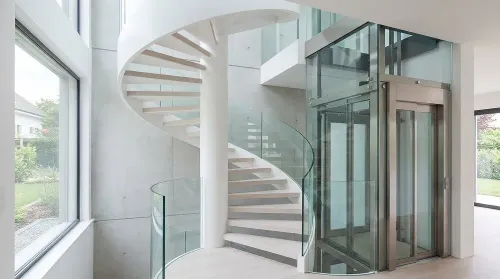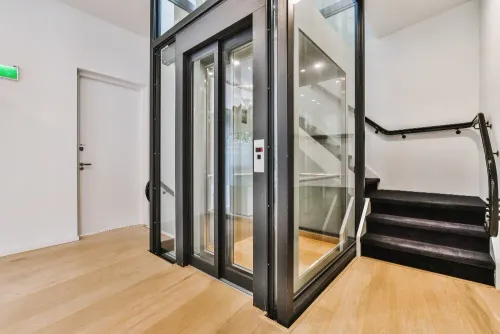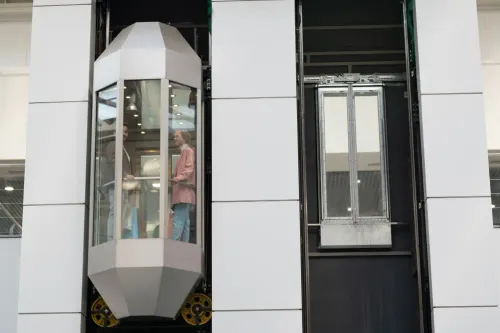
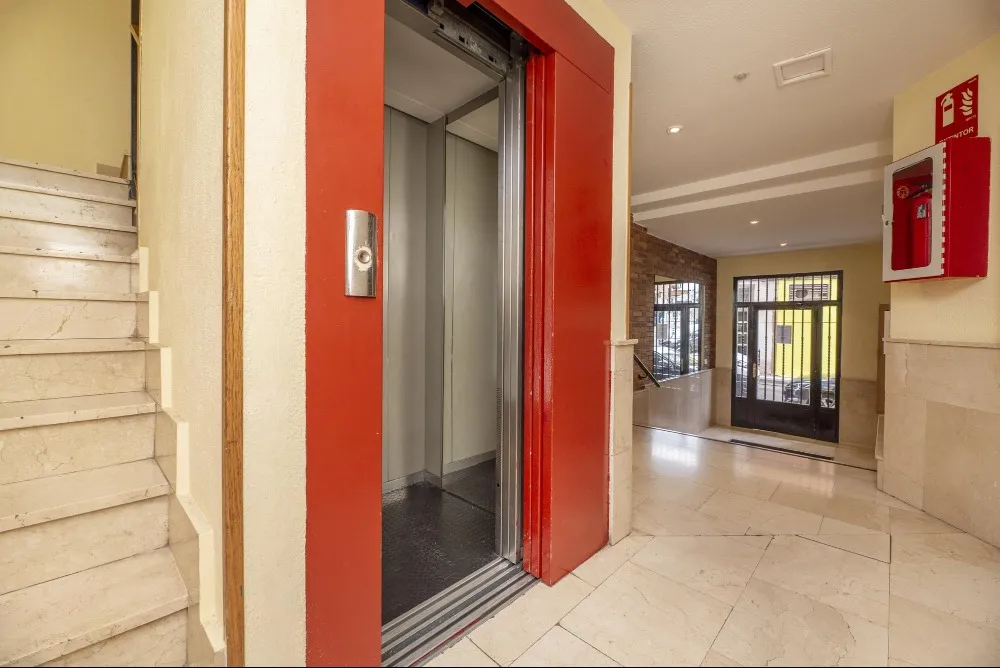
A premium elevator can become an integral architectural feature rather than simply a way to travel between floors. For homeowners planning a Luxury Home Elevator in Bangalore, however, good design is not about selecting the most decorative cabin available. The strongest results come from coordinating engineering, materials, lighting, accessibility, and the surrounding interior.
Bengaluru's premium villas and independent residences increasingly combine contemporary architecture with practical long-term living requirements. An elevator can support both when it is considered early in the design process.
Match the Elevator to the Interior Language
The cabin and landing entrances should relate naturally to the rest of the property.
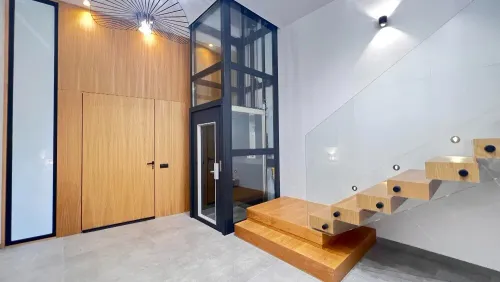
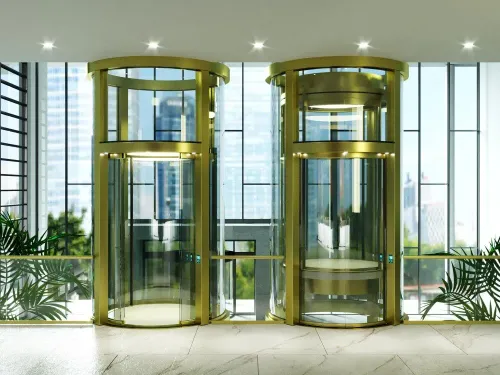
A contemporary home may suit clean metallic surfaces, glass elements, restrained lighting, and minimal controls. A warmer interior may call for finishes that visually coordinate with wood, stone, or other materials already used throughout the residence.
The goal is continuity.
An elevator that appears disconnected from the surrounding architecture can feel like a later addition even when it was installed during construction.
Focus on the Landing as Well as the Cabin
Homeowners often spend most of their design attention on the cabin interior.
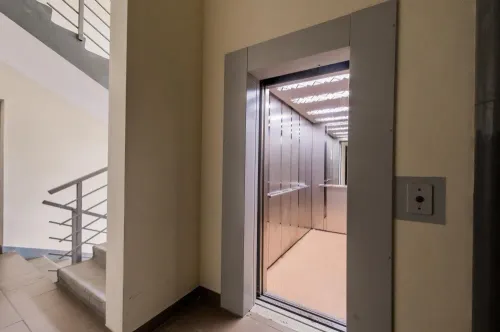
The landing entrance is equally visible.
Consider how elevator doors interact with:
- Wall finishes
- Lighting
- Flooring
- Staircases
- Lobby furniture
- Decorative panels
- Adjacent doors
- Architectural lines
Interior designers should ideally coordinate these details with the elevator manufacturer before final finishes are ordered.
Luxury Should Still Be Practical
Some materials look impressive in samples but require frequent cleaning or may show fingerprints, scratches, or wear.
Ask how proposed finishes perform under regular use.
A residential elevator may be used numerous times each day by family members, guests, domestic staff, and service personnel. Durability therefore matters even in a highly design-focused installation.
Lighting Changes the Cabin Experience
Cabin lighting influences both aesthetics and usability.
Well-planned illumination can make the space feel comfortable without being excessively bright. It can also highlight selected finishes and make controls easier to identify.
Lighting should be coordinated with the cabin dimensions, reflective surfaces, ceiling design, and overall visual style.
Accessibility Is Part of Premium Design
A genuinely well-designed home anticipates changing requirements.
Families may install an elevator primarily for convenience but later depend on it for elderly relatives or people with limited mobility.
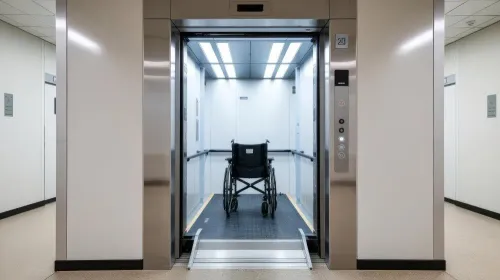
Consider doorway dimensions, cabin layout, control placement, entry and exit movement, and access from key parts of the home.
These functional decisions can be incorporated without compromising a premium aesthetic.
Avoid Over-Customization That Complicates Maintenance
Customization can make an elevator distinctive, but every design decision should account for maintenance and component access.
Ask whether decorative elements interfere with routine inspection or make replacement unnecessarily difficult.
A premium installation should remain practical to maintain over the long term.
Orchid Elevators works with residential elevator requirements in Bengaluru, allowing homeowners, architects, and designers to coordinate technical considerations with the visual requirements of premium properties.
Plan Design and Engineering Together
One of the most common mistakes in luxury residential projects is treating the elevator as an interior-design item after technical decisions have already been finalized.
A better sequence is collaborative.
Architects establish the building context. Structural teams address the relevant construction requirements. Elevator specialists define equipment needs. Interior designers then coordinate visible materials and finishes around those technical parameters.
When these disciplines communicate early, fewer compromises are required later.
A luxury home elevator should feel effortless rather than excessive. The combination of suitable technology, thoughtful cabin proportions, accessible controls, coordinated materials, comfortable lighting, and maintainable finishes can create an elevator that belongs naturally within a Bengaluru residence while continuing to serve the household as its needs evolve.
Keywords