Property owners frequently encounter hydraulic and traction technologies while evaluating elevators. Both can provide practical vertical transportation, but they operate differently and suit different building conditions. Comparing them properly is more useful than asking which technology is universally better.
A Hydraulic Elevator Manufacturer in Bangalore should be able to explain where hydraulic technology makes sense and where another configuration may be more appropriate.
How a Hydraulic Elevator Works
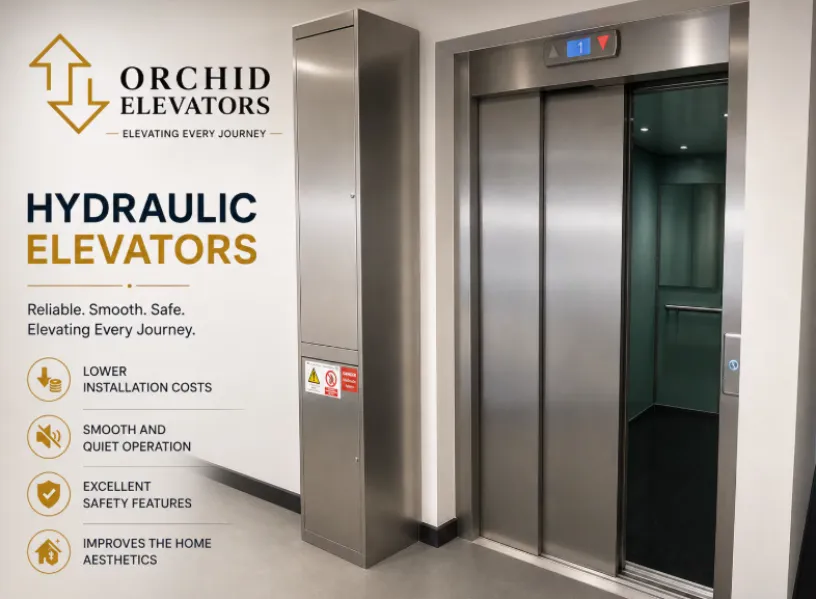
A hydraulic elevator uses hydraulic mechanisms to create vertical movement. The specific engineering configuration varies by system, but hydraulic pressure is central to its operation.
These systems can be considered for certain low-rise and residential applications depending on travel, capacity, space, and project requirements.
The important point is that technology should be matched to the building rather than selected from a general recommendation.
How Traction Elevators Differ
Traction elevators use a different method of movement involving suspension and drive components. Various traction configurations are available, including systems designed to reduce traditional machine-room requirements.
They are widely used across different building categories and can be particularly relevant where travel height and traffic requirements call for them.
Hydraulic and Traction Elevators at a Glance
When evaluating the two approaches, consider several factors rather than one specification.
Building height: Travel requirements can influence which technology is technically suitable.
Available space: Equipment layout, shaft requirements, and associated spaces vary between elevator configurations.
Traffic: A private villa has different usage patterns from an office building receiving hundreds of occupants.
Capacity: Required passenger or load capacity needs to be evaluated alongside drive technology.
Energy and operating characteristics: Ask for project-specific information rather than relying on general assumptions.
Maintenance: Different systems contain different mechanical and electrical components and therefore have their own maintenance requirements.
Avoid Selecting Technology Based Only on Price
Initial quotation value is important, but it is only one component of elevator ownership.
A lower initial price may not represent better value if the system is poorly matched to the building.
Evaluation should include:
- Installation requirements
- Civil work implications
- Electrical provisions
- Expected frequency of use
- Preventive maintenance
- Component availability
- Service accessibility
- Expected lifecycle requirements
These considerations create a more meaningful comparison.
Consider the Property Type
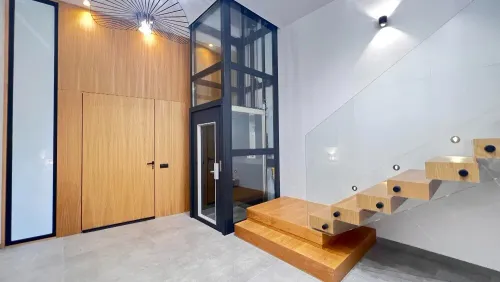
For a Bengaluru villa, homeowners may prioritize smooth residential use, space efficiency, interior integration, and accessibility.
For an office or commercial property, traffic handling, operational continuity, capacity, and durability can carry greater weight.
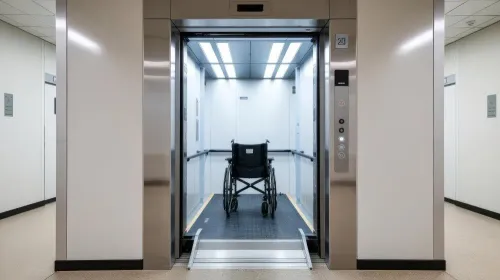
Healthcare facilities may have additional requirements related to cabin dimensions, movement of patients, stretchers, wheelchairs, and staff.
The same elevator specification should therefore not be assumed to suit every property category.
Ask Manufacturers to Explain Their Recommendation
A useful elevator proposal should tell you more than the product name.
Ask why the proposed technology is appropriate for your number of floors, travel distance, expected passenger volume, available shaft, and building type.
Orchid Elevators evaluates elevator requirements for different properties in Bengaluru, Karnataka. For buyers comparing hydraulic and other elevator systems, a site-specific discussion can clarify the practical differences that matter for the project.
Make the Building the Starting Point
The most effective way to compare hydraulic and traction elevators is to begin with project conditions.
Prepare information about the building's number of floors, floor-to-floor heights, proposed shaft dimensions, passenger expectations, accessibility needs, and current construction stage.
With these details available, manufacturers can provide more relevant recommendations.
Hydraulic and traction systems should not be viewed as competing choices where one always wins. Each has technical characteristics that may be beneficial under particular conditions. The better decision is the system that fits the building, anticipated usage, installation constraints, and long-term operating requirements.
Keywords