Choosing the right elevator involves much more than selecting a model that fits your building. The quality of the manufacturer plays an equally important role in determining how safely, efficiently, and reliably the elevator will perform over the years. Whether you are planning a residential project, commercial complex, hospital, hotel, or office building, evaluating an Automatic Elevator Manufacturer carefully can help you avoid costly issues in the future.
In Bengaluru, where residential and commercial developments continue to grow rapidly, elevators are expected to deliver consistent performance while meeting modern safety standards. Understanding what differentiates one manufacturer from another allows builders, architects, homeowners, and facility managers to make informed decisions.
What Is an Automatic Elevator?
An automatic elevator operates without requiring manual intervention to open or close the doors. Once passengers select a destination floor, the system manages the entire journey automatically, including door operation, movement, stopping accuracy, and safety monitoring.
Modern automatic elevators are commonly installed in:
- Residential apartments
- Independent villas
- Office buildings
- Hospitals
- Shopping centres
- Hotels
- Educational institutions
- Commercial complexes
They are valued for their convenience, efficiency, and enhanced passenger safety.
Why the Manufacturer Matters
Two elevators may appear similar on paper but differ significantly in quality, performance, and long-term reliability. Much of this depends on the engineering expertise and manufacturing standards behind the product.
A reliable manufacturer focuses on:
- Precision engineering
- Certified safety practices
- Quality components
- Thorough testing procedures
- Professional installation
- Responsive technical support
Choosing an experienced company often leads to lower maintenance costs and fewer operational interruptions throughout the elevator's lifecycle.
Evaluate Product Quality
High-quality materials and components directly influence an elevator's durability.
When comparing manufacturers, consider factors such as:
- Cabin construction quality
- Door mechanisms
- Drive technology
- Control systems
- Motor efficiency
- Electrical components
- Corrosion-resistant finishes
Well-built elevators typically experience fewer breakdowns and provide smoother operation over many years.
Requesting product specifications and understanding the materials used can provide valuable insight into overall manufacturing standards.
Examine Safety Standards
Safety should always be the first priority when selecting an elevator manufacturer.
A dependable manufacturer should incorporate multiple safety systems, including:
- Automatic rescue operation
- Emergency communication devices
- Door safety sensors
- Overload protection
- Emergency stop functions
- Accurate floor leveling
- Speed monitoring systems
- Backup power options
These features work together to protect passengers while ensuring reliable operation under different conditions.
It is also important to confirm that the manufacturer follows applicable Indian safety regulations and recognized industry standards.
Assess Customization Capabilities
Every building has different design requirements. A manufacturer that offers flexible customization is often better equipped to meet project-specific needs.
Customization may include:
- Cabin dimensions
- Interior finishes
- Door configurations
- Passenger capacity
- Control panel designs
- Accessibility features
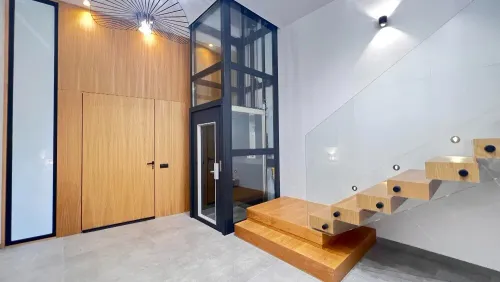
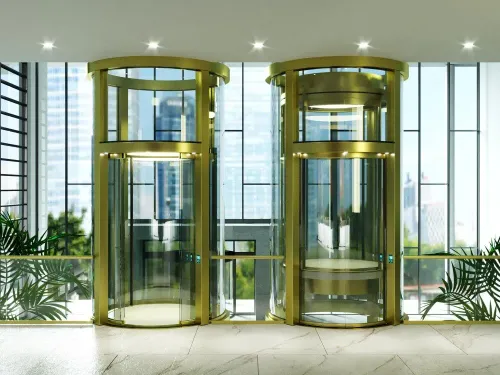
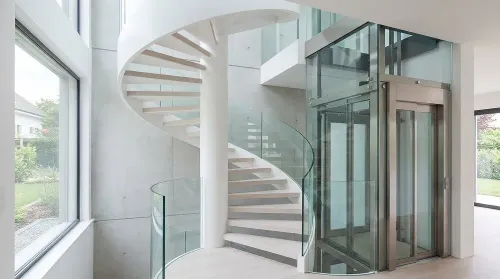
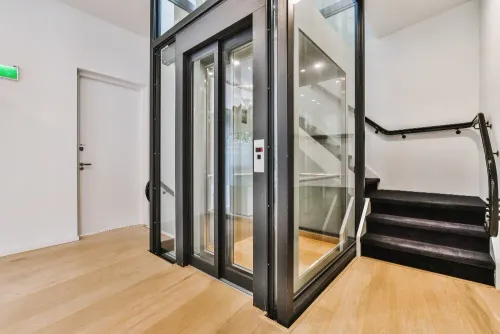
- Glass or stainless-steel cabins
- Decorative lighting
For architects and developers in Bengaluru, customized elevator solutions often make it easier to integrate vertical transportation into modern building designs without compromising aesthetics.
Consider Energy Efficiency
Energy consumption is an important factor in long-term operating costs.
Modern automatic elevators increasingly feature technologies designed to improve efficiency, such as:
- Gearless motors
- Regenerative drives
- LED lighting
- Sleep mode functions
- Intelligent traffic management
- Efficient control systems
These features help reduce electricity usage while supporting sustainable building practices.
For commercial properties with frequent elevator usage, improved energy efficiency can contribute to meaningful operational savings over time.
Evaluate Installation Expertise
A quality elevator requires professional installation to achieve optimal performance.
Ask prospective manufacturers about:
- Site inspection procedures
- Project planning
- Installation timelines
- Testing and commissioning
- Safety inspections
- Coordination with contractors
Experienced installation teams understand how to address structural challenges while ensuring that the elevator operates safely from the first day of service.
Poor installation can create recurring maintenance issues even when the equipment itself is of high quality.
Review Maintenance and Service Support
An elevator is a long-term asset that requires regular maintenance to remain safe and reliable.
Before making a decision, ask about:
- Preventive maintenance schedules
- Emergency service availability
- Technician training
- Spare parts inventory
- Response times
- Annual maintenance contracts
Reliable service support becomes particularly important for hospitals, commercial buildings, and residential communities where elevator downtime can disrupt daily operations.
Having a local service presence in Bengaluru can significantly improve response times whenever maintenance is required.
Compare Overall Value Instead of Lowest Price
While budget is always a consideration, selecting an elevator based solely on the lowest quotation may result in higher maintenance expenses and shorter equipment life.
Instead, compare manufacturers based on:
- Engineering quality
- Safety features
- Product reliability
- Energy efficiency
- Installation expertise
- Maintenance support
- Warranty coverage
- Customer satisfaction
Looking at the complete ownership experience provides a more accurate picture of long-term value than initial purchase price alone.
Making a Confident Decision
Choosing an automatic elevator manufacturer is a decision that affects building performance for decades. Careful evaluation of product quality, safety standards, customization capabilities, installation expertise, and after-sales support helps reduce risk while ensuring dependable operation.
Manufacturers such as Orchid Elevators work with residential, commercial, healthcare, and institutional projects across Bengaluru by providing engineered elevator solutions tailored to diverse building requirements. Their focus on quality manufacturing and ongoing service support reflects the factors that buyers should consider when comparing providers.
A well-selected automatic elevator delivers more than convenient transportation. It contributes to occupant safety, operational efficiency, and long-term property value. Taking the time to evaluate manufacturers thoroughly ensures that the investment continues to perform reliably while meeting the evolving needs of modern buildings across Karnataka.
Keywords