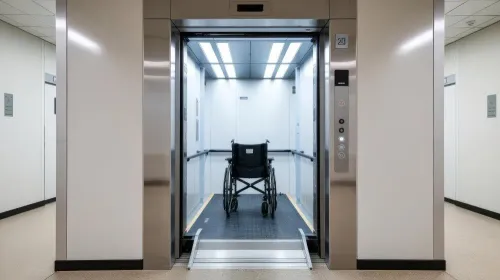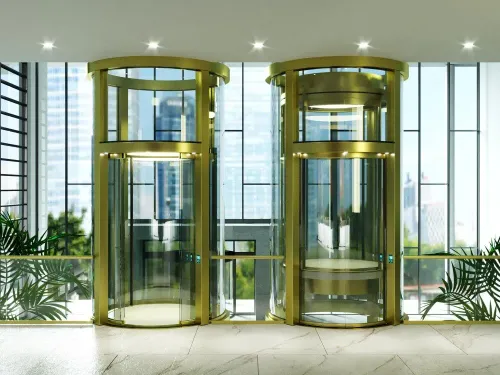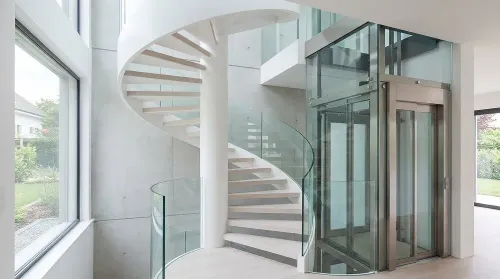
Commercial lift quotations can vary significantly, and the difference is not always explained by the elevator price itself. Capacity, speed, number of stops, door configuration, finishes, installation scope, maintenance provisions, and building requirements can all affect the final proposal.
Developers evaluating a Commercial Lift Manufacturer in Bangalore should therefore avoid comparing only the total amount at the bottom of each quotation.
Create a Common Technical Brief
Before requesting proposals, prepare one project brief and provide it to every shortlisted manufacturer.
Include:
- Building type
- Number of floors
- Floor-to-floor heights
- Estimated occupancy
- Expected passenger traffic
- Number of required elevators
- Proposed shaft dimensions
- Accessibility requirements
- Desired capacity
- Project schedule
When suppliers work from different assumptions, their quotations cannot be compared accurately.
Compare Capacity With Actual Traffic
A commercial lift must handle the building's usage pattern, not simply meet a nominal capacity requirement.
An office building can experience concentrated traffic during morning arrivals, lunch periods, and evening departures.
Retail and mixed-use properties have different patterns.
Developers should ask how the proposed elevator configuration relates to expected passenger demand.
Check the Scope Line by Line
One quotation may include items another excludes.
Review equipment supply, installation, doors, cabin finishes, controls, transportation, testing, and any other stated components.
Then identify associated works expected from the developer or civil contractor.
This prevents an apparently cheaper quotation from becoming more expensive after excluded work is considered.
Review Civil and Electrical Requirements
Elevator specifications affect building planning.
Architects and MEP teams should review the proposed shaft, relevant equipment spaces, electrical requirements, and access conditions before procurement is finalized.
Late changes can affect multiple trades and construction schedules.
Assess Finish Specifications Separately
Commercial properties often require finishes appropriate to their positioning.
A premium corporate lobby may call for a different cabin treatment from a functional back-office property.
Rather than allowing finish upgrades to obscure the engineering comparison, first compare core technical specifications and then evaluate aesthetic options separately.
Examine Maintenance and Service Terms
The cost of ownership continues after installation.
Facility teams should understand recommended maintenance arrangements, service coverage, component support, and procedures for technical issues.
Downtime can inconvenience tenants and visitors, making service planning particularly important for commercial buildings.
Evaluate Supplier Coordination
A commercial elevator installation interacts with structural work, electrical systems, interiors, lobby finishes, and project scheduling.
Ask how the manufacturer coordinates technical drawings, site readiness, installation stages, and handover.
Orchid Elevators supports elevator requirements for properties in Bengaluru, Karnataka, where commercial developments can range from smaller business buildings to larger multi-floor projects.
Use a Weighted Evaluation
Procurement teams can make comparison more objective by assigning importance to several categories.
For example:
- Technical suitability
- Traffic handling
- Scope completeness
- Safety provisions
- Project coordination
- Maintenance support
- Commercial terms
The exact weighting can reflect the priorities of the development.
Avoid Choosing on Initial Cost Alone
A commercial elevator becomes part of the building's daily operations. Its suitability affects occupants, visitors, facility teams, and potentially tenant experience.
The most useful quotation is therefore not necessarily the cheapest or the one containing the longest specification sheet. It is the proposal that clearly addresses the property's actual traffic, engineering conditions, installation responsibilities, operational requirements, and long-term service needs.
Keywords